De Usu

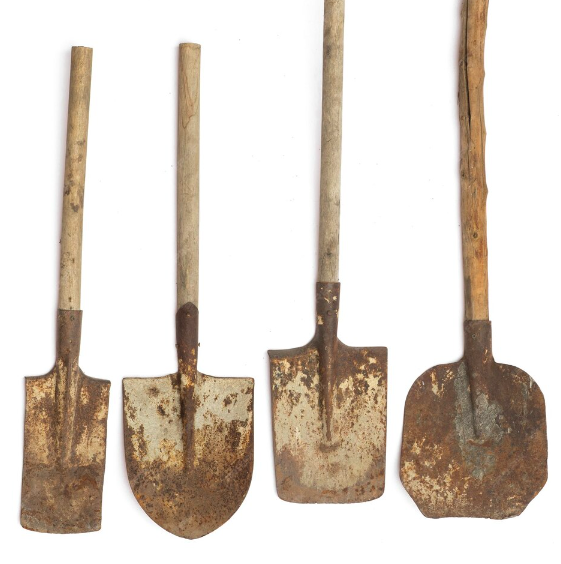
Stell dir

ein Gartenhäuschen

vor, voller

Schaufeln und Rechen.

Verrosteter Stahl.

Holzgriffe gesprungen

der Maserung

entlang.

Dumme, kaputte Dinge.

Kaum zu glauben,

dass sie einst

in Männerhänden

von Nutzen

waren.

Aber sieh mal –

ihre Knaufen sind glatt.

Auch das war

unnötig.

Jardin du Luxembourg

Nochmal das Gesicht

des unbekannten

Jungen, der am Bürgersteig

an einen Pfosten lehnt

in seinem frisch

aussehendem Anzug

und, von der Wand

einer Galerie

des Metropolitan

Museum of Art, vor wie

vielen in mir

unerinnerten Jahren

das Objektiv, die Kamera

und schwarzweiß

Ferrotypie

selbst hindurch-

blickt, heute morgen

plötzlich wieder

auf einer Parkbank

zu erkennen — wie er kurz

vom Handy hochkuckt,

mein knirschendes

Vorbeilaufen wahrzunehmen

und dann zurück

auf das verborgene

Bildschirm

in seinen Händen

schaut — denselben

durch die Zeit schneidender

Blick jähster

Gleichgültigkeit. Es ist

eine Segnung für keinen

bestimmt, nicht ihn,

nicht ich — dass einer

von uns, dass überhaupt

jemand noch jung

sein kann.

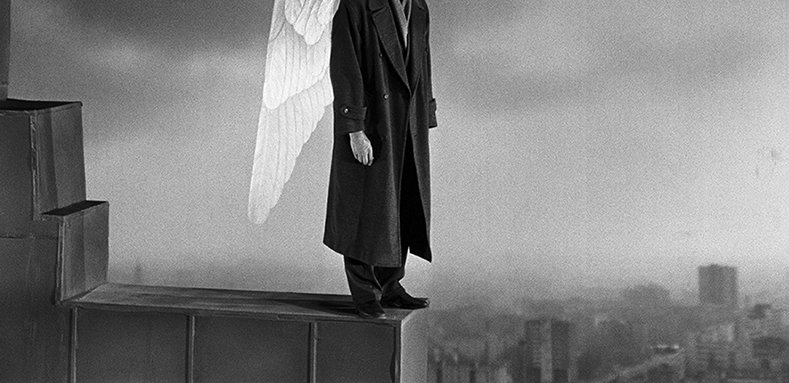
Flügel der Sehnsucht

Free translation of “Wings of Desire

Bist du einmal in den Himmel

aufgestiegen, lass mich

dir sagen — ähnlich, wie wenn

du ein leeres Blatt

Papier anstarrst

und versuchst, ein nicht

begonnenes Wort

festzuhalten

während der Wind

mit den Enden deiner

Feder spielt —

es ist schwer, hier oben

etwas erledigt

zu bekommen, obwohl

dir gesagt wird, dass sie dich

unten auf der Erde

brauchen, deine Gedanken

dort noch Bedeutung

und Gewalt

haben — dass es wirklich deine

Hand ist, die wie in einem

Handschuh alles

Handlung

geschehen lässt.

Und so packe ich das Baby

am Hals, reiße es aus

dem Mittelmeer

und hebe es zurück

auf das Floß. Ich greife

nach dem Joystick, ziehe hoch

und lasse die Ladung

auf die bereits

völlig zerstörte Stadt

fallen — obwohl

ich mich frage: wessen

Hand, welcher

Kalkül die Bombe

eigentlich zu ihrem

Ziel bringt. Das muss

ein Anderer sein.

Mir graut es, zu denken,

ob sie doch nicht

von alleine

fällt.

From the Archives : Mozartkugel (July 2015)

The same confection you pinch

like grapeshot is shown

there on the cover

of the octagonal box

in your other hand, undressed

of its golden foil

and bisected, its center identical

to the pistachio green

of your vest. And that look

on your face, at once

blasé and pissed, that betrays

just how much you resent

your audience, being

made for nothing more

than to tempt us

with your pursed lip

artifice to ask

ourselves How badly

do I want this — to try

what I’ve never tasted

as part of me — to share

in the fame of the man

in my mouth?


*

But the affront melts

as we follow the course

of your smile, strained

into the dimple

of your left cheek, its surface

guached as though flush

with fluorescent light

landing on powdered skin

pocked with eggplant

and orange peel

as are relics

of industrial printing.

*

No, you aren’t so much

Mozart as you are

the taste of Mozart, maestro of cake

and cotton candy

and little chocolates that jostle

in their boxes, like the one

you hold up to show us

Here — this is it —

the truth of what’s inside —

a ball full of me

just for you.

One of 90 million

produced at a factory

on the outskirts of Salzburg

and exported to over

30 countries per annum

wherein a crumb

of the spirit

abides. A Mozart

in the ether

unborn, waiting

for what he always was

destined to become

the Mozart of.


*

Still, I can imagine

squeezing out of a putrid

basement toilet stall

in the Ringstraße McDonalds

and find you standing

there — a man the same

as I am, waiting

for me to vacate, your look

acknowledging Yes —

how amusing — we are

as brothers in the unsavory

demands of our bodies

and then never see it again,

the face of a man who forgets

mine as well. Turning

away from me, would I be met

with the back of your coat

and bow of your wig

or was that part of you

left blank, the pulp

of your polystyrene ribbing

bare-assed to meet

the dark of a confiserie

closed on Sunday?

Or is it you again, mirrored

in marzipan breeches,

ruby tailcoat, foam whig and

whipped egg merengue

ruffle shirt, one side

determining the outline of

what’s behind it?


*

I encounter another

you, stood up

outside a gift shop

in the Rotenturmstraße

just when a passing

teenager slaps

the candy box, causing

you to spin like a thaumatrope

and, sure enough,

it’s you again — trapped

in the outlines of him

glued to your back.

The Kugel flickers

as you spin — both

here and here — the bend

of your elbow plotting

the only place it could be

on either side

of you, your hand

twinned to hold

each in orbit around

a missing center, facing

the other for no one

else — except

that your likeness

on the foil is printed

looking outward, and so

away from itself.

Not even you can be

bothered by the spectacle

of your own Mozartness.


*

As your rotation slows

and stops with the same you

facing me as before

it’s like you’ve shown me

what your vessel

exists to keep away

from the conflagration

that is hunger

in the living world —

In the space between

my fingers where you see

the Mozart Ball, I in fact measure

the mass of your desire —

the candy of your mind’s eye

in relation to all that

surrounds and ultimately isn’t

this Mozart Ball right here —

one might even say

that Mozart Balls precede

the very want for Mozart Balls

in that they eternally

exceed it

as our souls yearn

for what they’ve never

tasted — such is the misery

you unseal when you

bite down —

that you won’t be

able to stop yourself

wanting more.

*

A few hours later and I’m sat

on a bench inhaling

a twenty-piece of Chicken

McNuggets, watching

a young woman Chaplinwalk

up and down Kärnterstraße

in whig and whiteface,

her justaucorps and knickers

spray-painted gold

like some porcelain fetish

come to life. For dessert I fish

the Mozartkugel

I’ve been saving all day

out of my tote bag, skin its

finely hammered leaf,

tensored squishy between

index finger and thumb

that leave their prints

stuck in the melted surface

muddy on my tongue,

break the seal with a bite

and return my attention

to the artist, now wobbling

alongside two girls in burqas

who laugh as she fleetly

plays her piccolo made of air,

then sneaking up behind

a teenaged couple as they go in

for the kiss, tapping the boy

on the shoulder to wag

her gloved finger

disapprovingly in their faces.


*

A performance I’ve

soundtracked to Kiss my ass

in B-Flat Major (KV 231)

with you part minstrel, part what

I think approximates

an 18th Century fop

and thus, whether rightly

or wrongly, associate

with the historical man, the mortal

Mozart whose placeholder

you are, less you

than a version of you

an actor played

to middling acclaim

in a film based on a play

where your life was recomposed

into a series of vignettes, and where

the ironclad ghost

of a murdered Commendatore

was mingled with the shade

of your father, his austere

bicorne touched

with dust.


*

The week following his death,

you wrote a poem instead

to your dear starling

more recently departed —

that Lieber Narr, darling fool.

It was after you’d wandered

into the pet store

where you first encountered him

that you scratched in your pocketbook

27 May 1784 — Bird — Starling —

34 kreutzer — followed by notation

of the tune you taught him

to sing there in his cage

maybe at the proprietor’s invitation

Ah, Herr Mozart —

here’s a curiosity for you —

look — this fellow without fail

will repeat any melody — go ahead

whistle something of yours

and you will find him

quite the pupil. And so you did

the opening bars

of the allegretto from your newest

Piano concerto in G major (KV453)

though he imperfectly

returned your theme, it’s true,

pausing on the last beat

of the first measure

and singing G sharp in the next.

Or was it because

he improvised, improved,

gave back your music

made his own, that underneath

the bars you penciled in

How wonderful!

*

That Vogel Staar (meaning

both starling and stern,

unyielding) knows neither

that he’s dead

nor that you remained,

left to mourn him

as he sings of Mozart

in heaven, frees the melody

of your grace notes,

embellishments — of you —

the Mozart Ball Mozart,

a vibration, a ripple waning

in the wake of a man

who as Mozart could not be

other than himself.


*

Does music even exist

outside of its performance —

the opera that brings the stage

to life, characters breath,

their words to sing

harmonies unheard as

unplayed —

or do we but interfere

in your self-adequacy? A perfection

that knows not

how it sounds. A clamor

of wings that is music

played, taken off in the reading

as fingers frailly

instrument the air

of halls echoing, alive

with voices, mimicry of birds

in true song.


*

Listen —

only what has ceased can be

abstracted, and only

what is abstract

shut up

to its essence — you are

not ball but man

brimming with gore —

your ears can but hear

one note at a time

after another — that’s why

you fill me

with disgust — with nougat

pistachio marzipan

ventriloquy — but when

you unwrap my body

chewed and swallowed it down

I enter your blood —

so trace amounts of me live

in every love handle —

it’s not the music

that’s mine —

no — it’s your hearing —

your tastebuds

receiving

as if a missing piece

your mind melts to know

completion — well

here I am

inside of you.


 *

I swallow what’s left

of the liquified Mozart Ball,

my gums coated

in buttery cud, some still

lodged in a cavity bleeding

a faint slimy twinge

of sugar. Not exactly satisfying

as a dessert in itself, gone

mute before it could

fully register on the tongue.

I notice my reflection

in the dark storefront across

from where I’m sitting —

blue Oxford shirt, shaved head

and drawstring shorts. How cartoonish

this costume seems, as though

belonging to some

bygone era

no living person would ever

dress like anymore.

I watch the man there

crack open a tallboy of Gösser,

close my eyes, lean back

and take a long dram

of lukewarm beer just when

I feel a tapping on my shoulder.

Views towards Mauern (2007 | 2023)

View towards Mauern (May 2007)


Ripply stream that runs the vale taking

its sweet time is maker, and all else


seems bed-mud, placed there

pebbles, slight wake.


The hull manor shelled in wartime

across the road from farm and chapel


hides tulips bedded dense

under its four remnant walls


with render tattered and moss-tinged

canvas crumbling from ragstone


masonry, unrecognizable.


Old orchard pent with juniper

amid the meters of dying apple trees,


limbs buttressed with metal joints :

slant-plumed deviations


from once-mapped growth,

all that bloomed now greying


over disintegrating

barbed wire.

+++

View towards Mauern (September 2023)

The Autobahn howling

behind the first swell

of forest. Crying

of whatever researchable

kind of bird. The old

orchard is thinner

now, almost not

there, other younger

trees grown more

full in a proliferation

of fences. Posts meant

for sighting where

the field stream crosses

under the trail

bright and widened

with new gravel, integrated

into a regional

network of bike routes.

A marker relates

the chronicle of the way:

a Roman thoroughfare

became a road for pilgrims

northward, whose needs

the chapel was raised

to service, making for Speyer

as Christians who could

warred in Palestine.

For the first time, the portal

to the chapel is open

revealing a hayloft

over concrete ground

with barrels, tractor wheels,

harrows long parked

in the dark interior.

A neomodernist house

built in the 2010s

suspended on stilts

5 meters high

within the footprint

of the ruined manor’s

four braced walls containing

no garden, just untended

grass in the shade

of the structure above.

911 Turbo S in burnt gold

behind the hedgerow

flashing as I drive

past. It hurts to look

at the sky. Floaters, scars

cut the retina. Weird flashes

out on the blue that are

neurons firing in corpuscular

conversion of stimulus

into sight. At some point

I sunk into the cold

bed mud of understanding

what I stood on. This is

what I understand: leaves

stepped on, disturbed

do not become

fossils. The very act

of imagining a course

in life will keep it

from taking shape,

coming true.

Hermeneutischer Entwurf

Unsichtbar ist nämlich alles

und jede Hand 

die Schwelle 

meiner. Da kommt etwas 

Musik entgegen, worin 

eine Falle sich 

lieblicher 

entsinnt. Ob durch 

das Lesen

gefälligst filtriert

und entzückend abgespielt 

ist doch egal

weil jedes Leben

sich so achtzigmal

einfängt. Nimm fetzen 

davon in Anschauung auf 

und finde, du hast 

das Wort Vögelchen 

wieder aus Langeweile 

erschlagen.

Hier sein

Aus der Erde

sprichst du — 

deine Stimme

unter einem Blatt

die Stille. Du sprichst

zu mir, sprachst

auch damals, als du

am Leben warst

aus einer noch nicht

gekommenen

Zeit. Sprachst sogar

bevor es dich gab,

bevor ich hier

und dein Sohn

war, dir zu-

zuhören. Es gab nur

Sprechen und

Hören — nicht mal

deins und meins,

dich und ich,

uns — Hohlräume

unter Blätter, welche

wir fanden, füllten

auf mit Auf-

klingen unser

zu spätes

Selbst. Neben-

einander saßen wir

vor 30 Jahren

in einem Mietwagen

und fuhren hoch

an der kurländschen

Küste — vorbei

an wie viele

gefallenen, oder

am Stamm noch atmende

Sekunden, wo du

sprachst und

ich hörte

zu. Wir stiegen

an einer Burgruine

aus. Ich kletterte

die Mauernreste, du

nahmst ein Foto, das ich

niemals sah. An nichts

kann ich mich

erinnern — außer,

dass wir da

waren. Wie der Wind

durch die Espen

am Waldrand

rauschte, im Mund-

laut, im Zittern

des Laubes Silber-

bauch, Silben

gaumenauf und ab

fällt im Wehen

dein Wort, immer wo

ich fehle — ich,

der dir nur vermissen

kann, von einem

Ort, eine Zeit zum

anderen — wie ich jetzt

meine Hände dir zu

strecke, bis ich

die narbigen Venen

taste vom Blatt, die Kälte

des frühen Winters

draußen auf der

anderen Hautseite

und versuche, mein Atem

zu halten, mein Herz

zu stillen — deine

zu spüren, dich

zu hören.

Morning Translation: 28 December 2025, Randall Jarrell, "90° Nord"

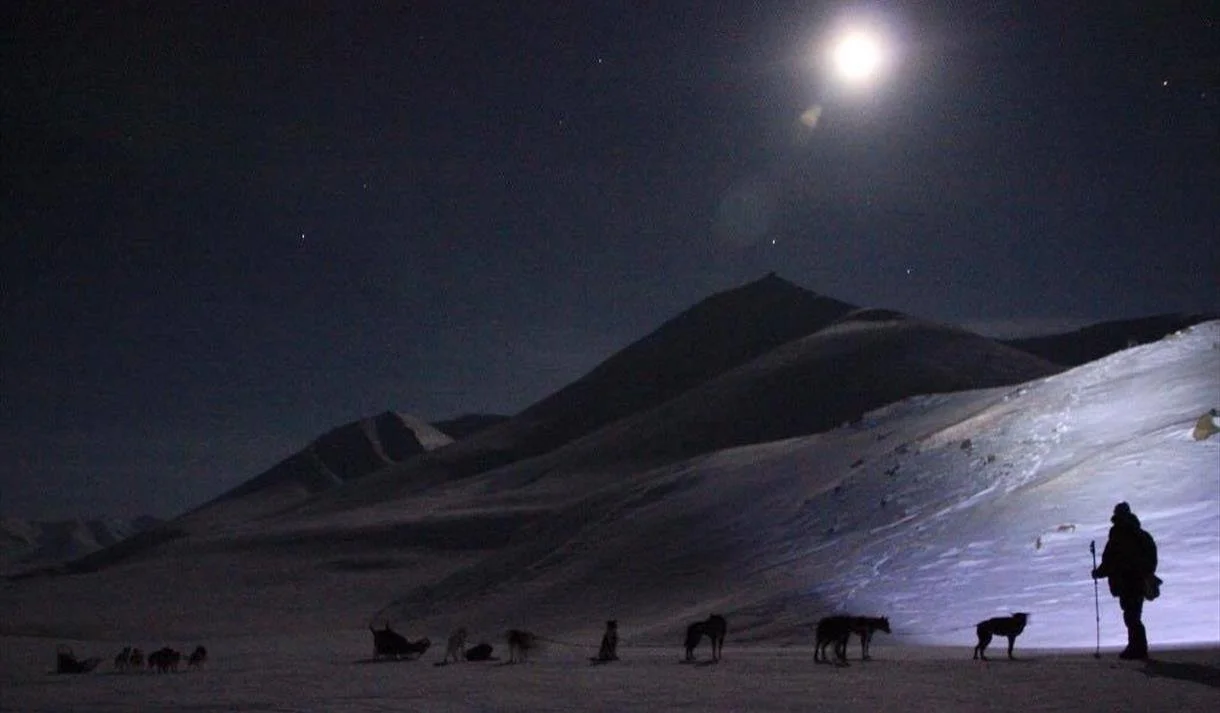
Zuhause, in meinem Flannelschlafkleid, wie der Eisbär auf seine Scholle

Kletterte ich ins Bett: die unmöglichen Steilen des Globus aufwärts

Segelte ich die Nacht durch — bis ich endlich, mit meinem schwarzen Bart,

Meinen Pelzen und meinen Hunden, am Nordpol stand.


Dort in der kindlichen Nacht lagen meine Gefährten eingefrohren,

Die steifen Pelzen pochten an meiner hungernden Kehle,

Und ich seufzte tief: um mir engten sich die Flocken,

Waren sie wirklich mein Ende? In der Dunkelheit fand ich meine Ruhe.


— Hier flattert die Flagge in der Blendung und Stille

Des unaufhörlichen Eis. Hier stehe ich,

Die Hunden bellen, mein Bart ist schwarz, und ich blicke

Auf den Nordpol . . .

                                       Und jetzt? Na, umkehren.


Egal wohin ich mich wende, geht mein Schritt nach Süden.

Die Welt — meine Welt dreht sich um diesen letzten Punkt

Von Kälte und Elend: alle Geraden, alle Winde

Münden hier in diesem Wirbel, den ich letztendlich entdecke.


Und es bedeutet nichts. Im Kinderbett

Nach der nächtlichen Reise, in dieser warmen Welt

Wo Menschen streben und leiden um das Ende,

Das den Schmerz krönt — in diesem Wolkenkuckucksheim


Erreichte ich meinen Norden, und er hatte Bedeutung.

Hier an der wirklichen Pol meines Daseins,

Wo alles, was ich erbrachte, bedeutungslos ist,

Wo, allein durch Zufall, ich sterbe oder weiterlebe —


Wo ich, lebend oder sterbend, immer noch alleine bin;

Hier, wo der Norden, die Nacht, der Berg des Todes

Mich aus der unwissenden Dunkelheit verdrängen,

Begreife ich endlich, wie all das Wissen,

Dass ich der Dunkelheit entrissen habe — dass die Dunkelheit mir zuwarf —

Ist, wie Nichtwissen, nutzlos: von nichts kommt nichts,

Aus dem Dunkeln die Dunkelheit. Schmerz kommt aus dem Dunkeln

Und wir nennen es Weißheit. Es ist Schmerz.

+

90 North

At home, in my flannel gown, like a bear to its floe,

I clambered to bed; up the globe's impossible sides

I sailed all night—till at last, with my black beard,

My furs and my dogs, I stood at the northern pole.

There in the childish night my companions lay frozen,

The stiff furs knocked at my starveling throat,

And I gave my great sigh: the flakes came huddling,

Were they really my end? In the darkness I turned to my rest.

—Here, the flag snaps in the glare and silence

Of the unbroken ice. I stand here,

The dogs bark, my beard is black, and I stare

At the North Pole . . .

                                        And now what? Why, go back.

Turn as I please, my step is to the south.

The world—my world spins on this final point

Of cold and wretchedness: all lines, all winds

End in this whirlpool I at last discover.

And it is meaningless. In the child's bed

After the night's voyage, in that warm world

Where people work and suffer for the end

That crowns the pain—in that Cloud-Cuckoo-Land

I reached my North and it had meaning.

Here at the actual pole of my existence,

Where all that I have done is meaningless,

Where I die or live by accident alone—

Where, living or dying, I am still alone;

Here where North, the night, the berg of death

Crowd me out of the ignorant darkness,

I see at last that all the knowledge


I wrung from the darkness—that the darkness flung me—

Is worthless as ignorance: nothing comes from nothing,

The darkness from the darkness. Pain comes from the darkness 

And we call it wisdom. It is pain.

Evening Translation: 27 October 2025, John Ashbery, "Das einzige, was Amerika retten kann"

Liegt irgendwas zentral?

Obstgärten verstreut durchs Land,

Urbane Wälder, rustikale Plantagen, kniehohe Hügel?

Sind Ortsnamen zentral?

Oak Grove, Adcock Corner, Story Book Farm?

Da diese mit einem Ansturm auf Augenebene zusammenlaufen

Und sich in die Augen prügeln, welche nichts mehr aushalten können

Danke, das war genug, danke.

Und sie tauchen auf wie eine Landshaft, gemischt mit Dunkelheit

Die feuchten Ebenen, überwachsene Vorstädte,

Orte von bekanntem bürgerlichen Stolz, zivile Obskurität.


Diese sind zwar mit meine Version von Amerika verbunden,

Aber der Saft ist woanders.

Heute morgen, als ich dein Zimmer verließ

Nach dem Frühstück schraffiert mit

Blicke rückwärts und vorwärts, rückwärts ins Licht,

Vorwärts ins unvertraute Licht,

War es unser Werk, und war es

Der Stoff, das Nutzholz des Lebens, oder von Leben,

Die wir maßen, zählten?

Eine Laune, die bald vergessen wird

Unter gekreuzte Lichtbalken, kühler Innenstadtschatten

An diesem Morgen, der uns wieder eingeholt hat?


Es ist mir bewußt, ich verflechte zu arg die eigenen

Abgebrochenen Eindrücke der Dinge, wie sie mir begegnen.

Sie sind privat und werden immer so bleiben.

Wo sind dann aber die privaten Zwischenfälle, die später

Dazu bestimmt sind, zu blühen wie goldene Glocken

Erklungen über die Stadt vom höchsten Turm?

Die lustigen Sachen, die mir geschehen, die ich dir erzähle,

Und du sofort weißt, was ich meine?

Welcher abgelegener, über Serpentinen erreichbarer Obstgarten

verbirgt sie? Was sind diese Wurzeln?


Es sind die Knoten und Proben

Die uns verraten, ob wir bekannt werden

Und unser Schicksal vorbildlich sein kann, wie ein Stern.

Alles andere ist warten

Auf einen Brief, der niemals ankommt.

Tag ein, Tag aus, die Verbitterung

Bis du es endlich aufgerissen hast, und nicht wusstest, was es war,

Und die beiden Umschlaghälften auf einem Teller liegen.

Die Botschaft war weise, und scheinbar

Lange her diktiert.

Ihre Wahrheit ist Zeitlos, aber ihre Zeit ist noch

Nicht gekommen. Sie berichtet von Gefahr, und die meist begrenzten

Maßnahmen, die gegen die Gefahr zu ergreifen sind,

Heute und in Zukunft, in frischen Höfen,

In ruhigen kleinen Häusern auf dem Land,

Unser Land, in umzäunten Gebieten, auf kühlen schattigen Straßen.

+

The One Thing That Can Save America

Is anything central?

Orchards flung out on the land,

Urban forests, rustic plantations, knee-high hills?

Are place names central?

Elm Grove, Adcock Corner, Story Book Farm?

As they concur with a rush at eye level

Beating themselves into eyes which have had enough

Thank you, no more thank you.

And they come on like scenery mingled with darkness

The damp plains, overgrown suburbs,

Places of known civic pride, of civil obscurity.


These are connected to my version of America

But the juice is elsewhere.

This morning as I walked out of your room

After breakfast crosshatched with

Backward and forward glances, backward into light,

Forward into unfamiliar light,

Was it our doing, and was it

The material, the lumber of life, or of lives

We were measuring, counting?

A mood soon to be forgotten

In crossed girders of light, cool downtown shadow

In this morning that has seized us again?


I know that I braid too much my own

Snapped-off perceptions of things as they come to me.

They are private and always will be.

Where then are the private turns of event

Destined to bloom later like golden chimes

Released over a city from a highest tower?

The quirky things that happen to me, and I tell you,

And you know instantly what I mean?

What remote orchard reached by winding roads

Hides them? Where are these roots?


It is the lumps and trials

That tell us whether we shall be known

And whether our fate can be exemplary, like a star.

All the rest is waiting

For a letter that never arrives,

Day after day, the exasperation

Until finally you have ripped it open not knowing what it is,

The two envelope halves lying on a plate.

The message was wise, and seemingly

Dictated a long time ago.

Its truth is timeless, but its time has still

Not arrived, telling of danger, and the mostly limited

Steps that can be taken against danger

Now and in the future, in cool yards,

In quiet small houses in the country,

Our country, in fenced areas, in cool shady streets.

The Tower

Like a ramp

corkscrewing

upward must not

only reach

Heaven, removed 

from the plains

of foundation 

at a great though

arbitrary height, but also 

taper inward, down 

to ever finer

scales the closer

its approach

to pierce and pass 

through the

Throne, mirroring 

the escalation 

of man's facility 

to build the tower

higher, ever

in the first

place.

Persephone

Wie die zu Wort

gewordene Stimme

solche Gitter braucht

rattern, so hallt

ihr Heulen im nächsten

Zimmer die Wand

zwischen uns

Hörenden, durch

die Resonanz

entzweit. Sind wir

nur, weil wir

aufgeteilt sind, sie

und ich, oder ist unser

Hören wirklich ein

Warten auf Rückkehr

des fehlenden

Teils. Ein Phantom-

empfinden, der letzte Faden

Erinnerung an die

verlorene

Einheit außerhalb

dieser Räume, viel höher

als die Decke, die wir

getrennt teilen.

Tief in mir

sticht ihre Stimme

wortlos ein. Die Züge meines

Zimmers im Schallen

ihres wieder-

spiegelt. Mit meinen Händen

forme ich eine Schale,

eine Glocke um

mein Ohr, und drücke sie

gegen die Tapete.

Fast kann ich sie sehen,

die unbekannte

Nachbarin — wie

sie reglos da steht

im Kerzenlicht

und über ihr schwebt

im Schattenbahn

die Decke, befrachtet

voller Regen,

der sickert, fällt, fließt über

ihr Gesicht,

alles verschwommen

mit einem Weinen nicht

ihr eigenes. So

schaut sie

im Flackern meine

Vorstellung abgewandt

auf die Tapete,

diese dort abgebildeten

ländlich naïven

Szenen, wo immer die gleiche

Magd demselben

Schurken trifft

in Grüften, an halb-

zerfallenen Scheunen, Stränden,

im Gebüsch, unter Eschen,

Eiben und Palmen,

während die Züge, Glieder

dieser Zweien

zerren, schwellen, zer-

schmelzen wandab-

wärts glitschend

wie der Grund

sich löst, durchdrungen

im Flut niemandes

Tränen. Schwarz glänzt

ihr Haar, das ich auch nicht

sehen kann. Glänzt

wie die Nacht, wie der Frieden

eines Endes, und der Stern,

unzählig, der draußen

auf uns wartet.

Something Wicked

The good people

of the town

do not deserve

to die, but

they will

as they have

forever, as

the graveyard

attests to.

They do not

deserve to fall

in love and

watch as despite

their loving

their love

grows old

and dies, to 

witness their 

records in

baseball or

basketball be

broken by

successive 

generations, to

see streets be

renamed as

they were

once already

renamed when

in the Armistace

they were boys

or girls and

there still ran

a street car

electric down 

mainstreet. 

Boys and girls

stamped.

No one 

deserves to 

die.

Morning Translation: 23 July 2025, Paul Celan, "Anabasis"

This 

narrowly written between walls 

pathless-true

going up and down

into the heart-bright future.

There.

Syllable-

jetty, ocean-

colored, way out

into the unvoyaged.

Then:

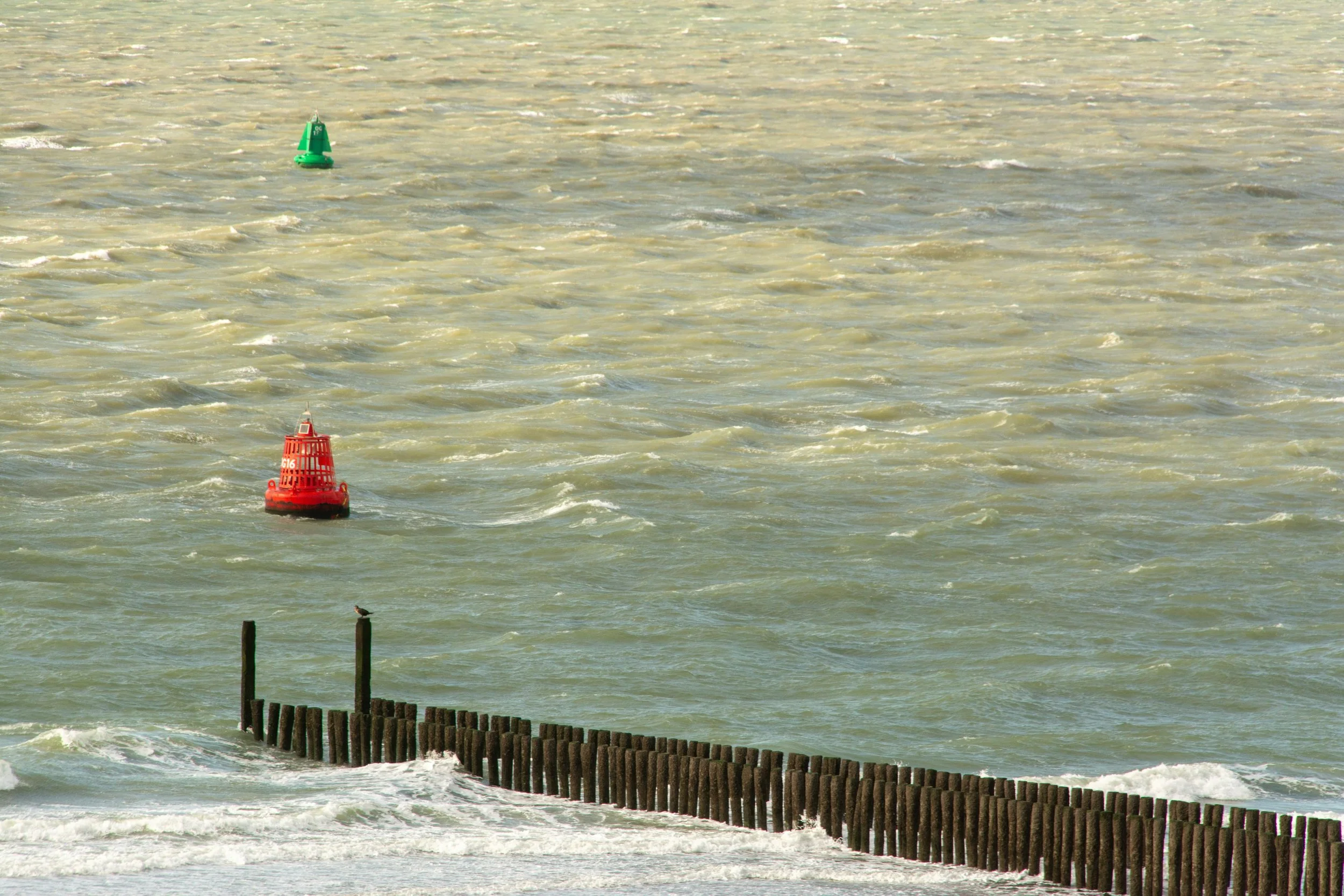
buoys,

cordon of comma-buoys

with the 

breathing bobbing

every second exquisitely —: light-

bell-tones (dum-, 

dun-, un-,

unde suspirat

cor),

re-

leased, re-

deemed, ours.

Seeable, hearable, the 

freed-

up tent-word:

together.

+

ANABASIS

Dieses

schmal zwischen Mauern geschriebne

unwegsam-wahre

Hinauf und Zurück

in die herzhelle Zukunft.

Dort.

Silben-

mole, meer-

farben, weit

ins Unbefahrne hinaus.

Dann:

Bojen-

Commabojen-Spalier

mit den

sekundenschön hüpfenden

Atemreflexen —: Leucht-

glockentöne (dum-,

dun-, un-,

unde suspirat

cor),

aus-

gelöst, ein-

gelöst, unser.

Sichtbares, Hörbares, das

frei-

gewordene Zeltwort:

Mitsammen.

Notes on poem: this is an example of a Celan poem that *moderately* pushes the limits of what is translatable - which, in this case, includes idiologisms (novel compound words) and enjambments with individual words made twain by the line break, revealing unexpected semantic parallels or meanings that would otherwise be obscured by normal syntax, and which are often so particular to the German as to be impossible to render in English.

A good example of a Celan idiologism that is difficult to translate would be “sekundenschön” which I’ve rendered as “every second exquisite(ly)” but, literally unpacked, would be something closer to [x] every second of which is exquisite/pretty/to be savored — and this all in an elegantly compact adverb! Celan probably had “sekundenschnell” (or “split-second”) in mind, which he tweaked just a little bit so that it is sonically familiar but semantically foreign and thus jars the reader awake - which is a typically Celanian move.

An example of the syntaxis interrupta would be the lines: “re-/leased, re-/deemed, ours.” In the German original, this appears as “aus-/gelöst, ein-/gelöst, unser”. Taken as prose, “ausgelöst” means caused/released/unleashed and “eingelöst” means cashed-in/redeemed/honored {as pertaining to exchange value]. The tricky part is the German verb “lösen”, which on its own means “[to] solve” but also can mean resolve/dissolve/loosen/untie/detach, etc., basically a muddy incline leading into a semantic abyss which Celan excavates by means of his scalpel called enjambment (whether fashioned from sharpened bone, jade, or meteorite, I wonder?). Unfortunately, while I’ve also got some room to play in English with di-/re-/ab-/un- + solve, none of these match the German meaning(s), so I recreated alternate re-/re- echo in the translation. However, who knows; while the meaning(s) are a departure, something like “re-/solved, ab-/solved, ours” might work. It depends on which semantic register is worth preserving here - the larger, syntactically-driven one (i.e. the prosaic) or the slipstream between the fractured lines?

In a word (or two), the sensation of reading Celan in German is jarring and othering; we are reading a language that, while it is semantically accessible, feels alien and removed from any day-to-day human speech. While we might understand, we don’t recognize the language as “German”. This “othering” was a manifestation of Celan’s surviving the Holocaust and writing in the language of those who perpetrated it, utilizing the very tool (language) that facilitated its execution at the most basic level. For many years I’ve contemplated Celan’s German and its gesturing and venturing towards, its disappearing into the incommunicable.

The Latin “unde suspirat cor” translates to “from which our hearts sigh”. This is a quote from the libretto of Exsultate, jubilate (K. 165) by W.A. Mozart. The full libretto is as follows (Latin translation curtesy of Wikipedia):

Exsultate, jubilate,
o vos animae beatae,
dulcia cantica canendo,
cantui vestro respondendo,
psallant aethera cum me.

[Rejoice, resound with joy,
o you blessed souls,
singing sweet songs,
In response to your singing
let the heavens sing forth with me.]

Fulget amica dies,
jam fugere et nubila et procellae;
exorta est justis
inexspectata quies.
Undique obscura regnabat nox,
surgite tandem laeti
qui timuistis adhuc,
et jucundi aurorae fortunatae
frondes dextera plena et lilia date.

[The friendly day shines forth,
both clouds and storms have fled now;
for the righteous there has arisen
an unexpected calm.
Dark night reigned everywhere [before];
arise, happy at last,
you who feared till now,
and joyful for this lucky dawn,
give garlands and lilies with full right hand.]

Tu virginum corona,
tu nobis pacem dona,
tu consolare affectus,
unde suspirat cor.

[You, o crown of virgins,
grant us peace,
Console our feelings,
from which our hearts sigh.]

Alleluja, alleluja!

From the Archives : Les Miz (2016)

hells-angels-howard-hughes-6.jpg

Everybody’s a critic 

when it comes

to the Revolution.

Some sing the chorus 

on barricades 

while others take aim

to make them stop.

That’s when the scene 

of the very first shot

they shot is shot

and the day’s a wrap 

for those lucky

to have died.

After which, things

will’ve quieted down

for the friends 

we’ll never meet.

Friends — no matter 

what was pointed 

at us, done with

and to us — no one

will say we didn’t

look damn fine

doing whatever 

it is we were 

doing a l'ère 

du grand écran. 

Though the times

needs must

recast us, rolled over

in their greater 

sleep — to fashion 

of our lives 

history, to remodel

our homes into

the glamorous flats

of pilots — ace debonaires 

with prudence enough 

to know when 

to quit, hang up

the hopeless conflict 

and go nurse 

the dry martinis

they left sweating 

at the bar.

Morning Translation: 19 July 2025, Paul Celan, "There was earth in them"

There was earth in them, and

they dug. They dug and dug, that's how 

their day went, their night. And they praised not god, 

who wanted all of this, so they heard,

who knew all of this, so they heard. 

They dug and heard nothing anymore;

they grew not wise, made no song, 

invented no kind of language. 

They dug.

There came a silence, there came a storm also, 

the oceans came all. 

I dig, you dig, and the worm digs also,

and the singing elsewhere says: they dug. 

O one, o none, o no-one, o you:

where was it going, if it was going nowhere? 

O you dig and I dig, and I dig myself to you,

and the ring on our finger wakes us.

+

Es war Erde in ihnen, und

sie gruben. Sie gruben und gruben, so ging

ihr Tag dahin, ihre Nacht. Und sie lobten nicht Gott,

der, so hörten sie, alles dies wollte,

der, so hörten sie, alles dies wußte.

Sie gruben und hörten nichts mehr;

sie wurden nicht weise, erfanden kein Lied,

erdachten sich keinerlei Sprache.

Sie gruben.

Es kam eine Stille, es kam auch ein Sturm,

es kamen die Meere alle.

Ich grabe, du gräbst, und es gräbt auch der Wurm,

und das Singende dort sagt: Sie graben.

O einer, o keiner, o niemand, o du:

wohin gings, da’s nirgendhin ging?

O du gräbst und ich grab, und ich grab mich dir zu,

und am Finger erwacht uns der Ring.

Morning Translation: 15 July 2025, Paul Celan, "The bright stones"

The bright

stones are going through the air, the bright

white ones, the light-

bringers.

They will

not go down, not crash,

not collide. They’re going 

up, 

like the meager

hedge-roses, that's how they go up,

they're floating

towards you, my quiet one,

my true one -:

I see you, you're picking them with my

new, my 

Everyman's hands, you place them

in the once-more-bright, which no one

needs cry about or name.

+

Die hellen

Steine gehen durch die Luft, die hell-

weißen, die licht-

bringer.

Sie wollen

nicht niedergehen, nicht stürzen,

nicht treffen. Sie gehen

auf,

wie die geringen

Heckenrosen, so tun sie sich auf,

sie schweben

dir zu, du meine Leise,

du meine Wahre —:

ich seh dich, du pflückst sie mit meinen

neuen, meinen

Jedermannshänden, du tust sie

ins Abermals-Helle, das niemand

zu weinen braucht noch zu nennen.

Morning Translation: 12 July 2025, Paul Celan, "An eye, open"

Hours, may-colored, cool.

That which can no longer be named, hot,

is heard in the mouth.

No one's voice, again.

An eyeball's depth, that aches:

the lid

doesn't block, the lash

doesn't count what comes in. 

The tear, half, 

the sharper lens, spry,

goes and gets the pictures for you.

+

EIN AUGE, OFFEN

Stunden, maifarben, kühl.

Das nicht mehr zu Nennende, heiß, 

hörbar im Mund. 

Niemandes Stimme, wieder.

Schmerzende Augapfeltiefe: 

das Lid

steht nicht im Wege, die Wimper

zählt nicht, was eintritt.

Die Träne, halb,

die schärfste Linse, beweglich,

holt dir die Bilder.

Notes: several instances of polysemy are unfortunately lost in the translation.

1.) In the second line of the first stanza, “heiß” or “hot” in the German is just one letter away from “heißt” or “is called”, literalizing the inability to name that is indicated in the first part of the line. But the Unable-to-be-named is still a way of, if not explicitly naming, then at least indicating an absence, which is then vocalized, audible in the hollow cavity of the mouth, a voice not belonging to anyone and addressing no-one.

2.) Line four of stanza two has a great albeit oblique pun on “paying admission”. Prima facie, the stanza communicates that neither eyelid or eyelash stand in the way or count (“zählt”) what goes into (“eintritt”) the eye. In addition to counting, the verb “zähl(en)” in German can also mean “to pay”. Furthermore, while “eintritt” appears here as the present tense of the verb “eintreten”, it is also analogous to the noun-form “Eintritt”, or “admission [fee]”. It’s as if the lid and lash are bouncers or ticket agents at the entrance of the eye but are asleep (or is it awake??) on the job.

3.) In a colloquial context, “beweglich” translates to “flexible”, “moveable”, “mobile”, etc. However, this is also the appropriate German term in a clinical context to describe the motility of the eye (e.g. “frei beweglich”). I could see this poem as a relatively straightforward account of a visit to the ophthalmologist, although perhaps one involving a moderate dose of chloroform.

Wings of Desire

Once having ascended

into heaven, let me tell you —

much like staring

at a blank page and trying to

hold onto the unwritten

word as wind

plays in the ends

of your quill — it’s hard

to get anything done

up here, though you're told

they still need you

down on earth, your thoughts

still have weight there

and meaning — how it's

really your hand

that like in a glove

makes anything happen.

And so I grab the baby

by the neck, pull it

out of the Mediterranean

and lift it back onto

the raft — I grab

the joystick, pull up

and release the payload

on the city almost already

completely flattened

though I wonder

whose hands, what

calculus delivers

the bomb to its target.

That must be

someone else’s job.

I’m afraid to think

whether it falls

of its own

accord.

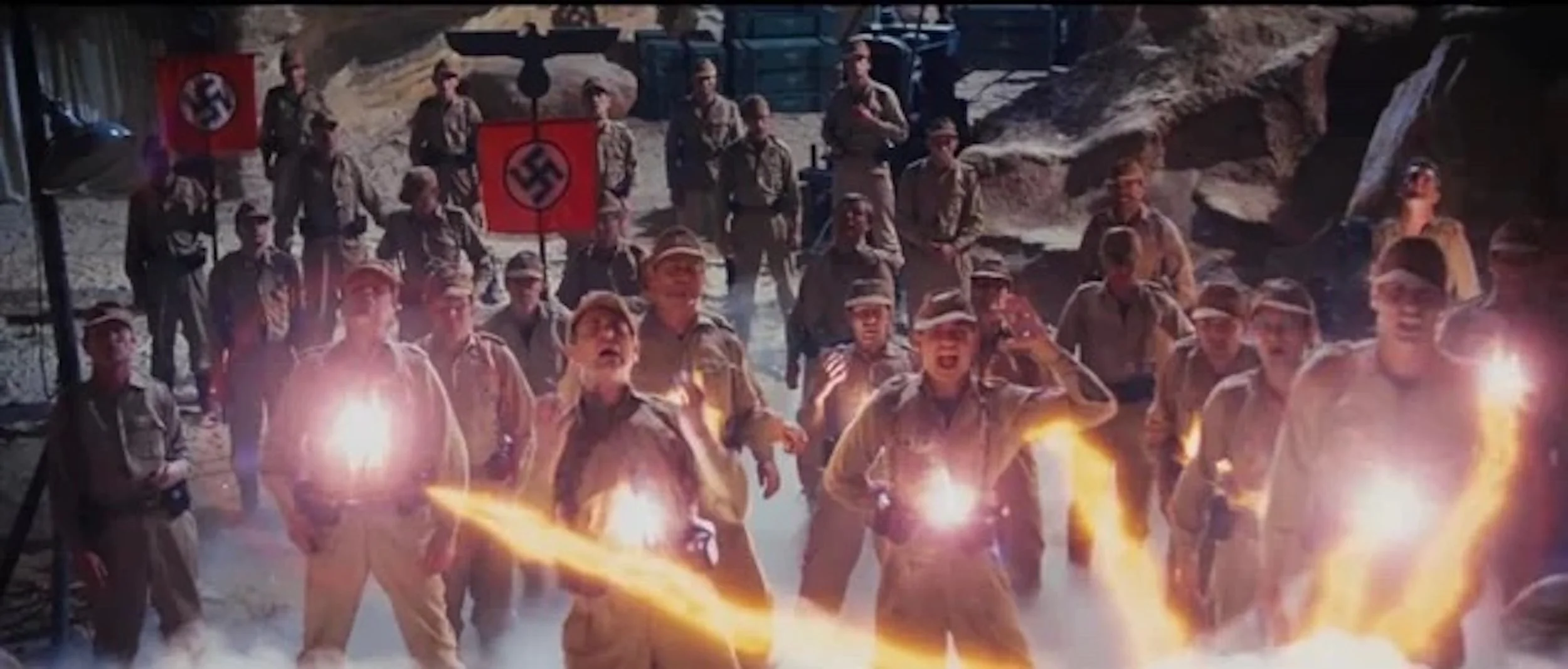
Raiders of the Lost Ark

What is this fire entered

back into the world —

the violence of beginnings

when the hero’s longing cannot be

told from the villain’s, as neither

comprehend how real

the end is —

to be the first one

there in the scene of history

hand on the stone —

believing that the next thing

you do will give shape

to the lives of millions unborn

but god is different —

this one at least

is voiceless, less than

in that he is unspeakably

greater than the one found

in Genesis — entirely

without prophet

or interest of conversing

with man — not noticing him

there — some number

of footsoldiers like beads

pierced on a string

of lightning —

or is it that we are

objects of derision

to be frightened before

he impales our bodies

with light, our faces

melted by the laughing fire

of the holy spirit finally

free of its great

mistake.

From the Archives : The Shithead (Aug. 2018)

Wondering when you last noticed your shadow  

is pure cringe. Swatting at the yellowjackets 

trying to land on the rim of my beer glass 

as if these were poems I’d rather not breathe 

life into. My father years dead — his body turned 

ATM jackpot. Fast fashion, train tickets, beer. 

Welcome to the future. For years I’d wished to be 

in this city alone — without family, friends or 

loved one — now that I’m here. On the dark screen 

of my locked iPhone are intricate smudges 

where my fingers have typed all but the letters 

P and Q — but that’s not true anymore, is it? 

that’s like kissing one’s own lips, and Q evincing 

how cringy it is to have anything to say at all. 

Like a wish you made but never seriously wanted 

to come true — a grown-up without profession 

crossing to walk on the dark side of the street 

in a country where all anyone understands 

of what I say is my unchained privilege to choose 

to stand at this bar attempting to order a drink 

not in my mother’s tongue has landed me. 

Sun falling behind Montmartre, light curdling 

on Fauburg-Saint-Denis — the fizz of the errant 

photons on the CMOS sensor in video mode. 

And my shadow somewhere under the next table 

at the feet of the couple sitting there, holed up 

in the chair legs. Maybe it’s already gone — maybe 

I’m it. You’re from the States, right? asks the guy. 

I can feel all three of us disbelieving as I recite 

an abridged biography. Basically on par with what 

a pathological liar might embroider, given enough 

time and resources — enough to have induced 

the fiction he remembers as his life to have 

actually occurred, though not entirely convincing 

as I am cast. Look — there’s a bench where 

I kissed my love’s fingers. Another, where later 

she wept for the cysts flowering in her uterus 

and pushed me away, so far from home. 

Same sky of fresh gauze, post-op hematoma. 

Same desire lines in the Place des Invalides lawn 

and heat that lives under your shirt and pants 

tearing at the soft skin between your legs. 

Meme silence dans les squares sur les bancs. 

I could not love her like she needed me to 

as we were waiting for the bus, eight years ago. 

A balcony where we spent the morning drinking 

conscious of wasting the day, much as we paid 

to be there. Drunk again — just now I walked 

through a park where my parents quarreled 

as I cried and hid off in the bushes for reasons 

I didn’t understand. What year was that even — 

1995? 1996? Weren’t we like those lovers of 1905 

locked in each other’s arms and legs wishing 

for the moment together to be other than what 

we were condemning each other to live? 

Tout le reste o baiser baiser perpétuel — only you  

could fail this poem, having lived through 

the loss of your other. Tell me, if it is possible 

to love again — was the first love ever real? 

How on that morning up there on the balcony 

you never thought to look down — see him  

tracing below where the light of morning  

throws the crowns of roofs on the sidewalk, 

moving just past the edge where it’s hard  

to make out any features beyond that 

it is the shape of a man, yes — facing away  

as he’s bent into his pacing, one hand gripping  

the other at his back and collar raised in greeting 

the current of what he knows there’s no hope 

recognizing will have been — no, not even 

faint laughter coming from the rooftops.